
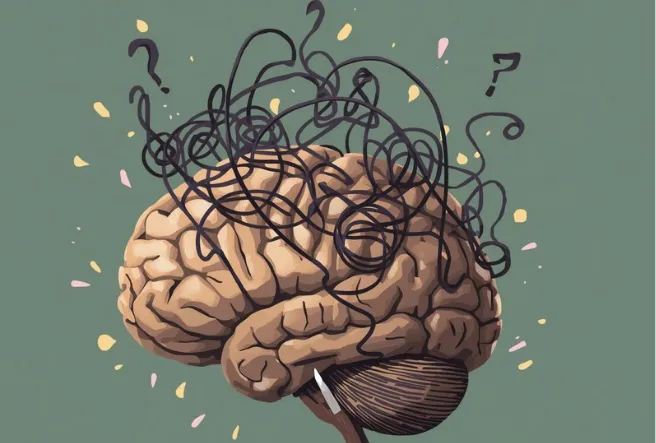
The Problem with Positive Thinking: Why Toxic Positivity Is Keeping You Stuck
Understanding the difference between genuine hope and spiritual bypassing that silences your truth
"Just think positive!" the wellness coach said brightly, her smile unwavering as I tried to explain the weight I was carrying after watching another day of genocide unfold in Gaza. "You're attracting negative energy by focusing on things you can't control. If you raise your vibration, you'll feel so much better."
I sat there, stunned, realising that this person genuinely believed that my grief over Palestinian children being murdered was a personal failing, a sign that my consciousness needed correction. Choosing to witness suffering rather than looking away was evidence of low vibration rather than moral responsibility. That processing difficult emotions was toxic negativity rather than necessary healing.
This was not the first time I had encountered toxic positivity in spiritual and wellness spaces. But something about this particular moment, after everything I had witnessed and felt, made the poison of it finally visible. I could see clearly how this obsession with positive thinking had created communities of people who were spiritually bypassing their way through a burning world, maintaining inner peace through strategic numbness, pursuing enlightenment through selective attention that conveniently avoided anything that might challenge their comfort.
What I once thought was wisdom, I now recognise as weaponised privilege disguised as spiritual development. What I once believed was elevation above worldly suffering, I now understand as abandonment of people who need solidarity. What I once practised as positive manifestation, I now saw as elaborate avoidance of the shadow work that genuine transformation requires.
The problem with positive thinking is not that hope, optimism, or faith are harmful. The problem is that toxic positivity uses the language of spirituality to enforce emotional suppression, uses the framework of manifestation to blame victims for their suffering, and uses the promise of inner peace to justify outer complicity with injustice.
Let me be very clear: genuine hope is powerful and necessary. But toxic positivity is not hope. It is fear wearing a smile, trauma hiding behind affirmations, and privilege performing enlightenment whilst the world burns.
The Good Vibes Only Cage
The wellness industry has built an empire on the promise that you can think your way to happiness, manifest your desires through positive energy, and create your reality through the right vibration. On the surface, these ideas seem empowering. They suggest that you have control over your life, that your thoughts matter, and that you can influence outcomes through consciousness.
But beneath the empowering language lies a toxic core: the suggestion that if you are suffering, struggling, or experiencing difficulty, it is because you are not positive enough, not spiritual enough, not vibrating at the right frequency. You are creating your own problems through negative thinking. You are attracting bad experiences through low vibration. You are responsible for everything happening to you, including oppression, trauma, and circumstances genuinely beyond your control.
This framework creates what I call the good vibes only cage: a prison made of forced positivity, mandatory gratitude, and compulsory optimism. Inside this cage, you are not allowed to feel anger about injustice, grief about loss, or rage about oppression without being told these emotions are toxic, low vibration, or evidence of spiritual failure.
You learn to police your own emotions, suppressing anything that might be perceived as negative. You smile through pain. You express gratitude for hardship. You reframe trauma as a learning opportunity. You maintain a positive attitude regardless of circumstances. And when suppression becomes unbearable, you are told the problem is not the suppression but your resistance to the spiritual practice of choosing positivity.
Emotional suppression harms the self. Destroying the inner self is more dangerous than destroying the body (Al-Ghazali). Toxic positivity, despite its promises of happiness, actually creates more suffering through the additional burden of having to perform positivity while genuinely hurting.
I spent years trapped in this cage. When my daughter called me toxic, my first instinct was not to reframe it positively. I did not perform positivity whilst my heart was breaking, I did not maintain high vibration whilst my soul was screaming. I allowed myself to feel broken, to live the painful emotions, go through the uncomfortable thoughts and accept the sleepless nights I had.
Only after a deep inner work did I allow myself to think positively. "This was an opportunity for growth. Everything happens for a reason. I'm grateful for this feedback."
The good vibes-only cage kept me stuck because it prevented me from doing the actual work that transformation requires: feeling the difficult emotions, examining the painful truths, confronting the uncomfortable realities that positive thinking trained me to avoid.
Spiritual Bypassing: The Comfort of Avoidance
Toxic positivity becomes particularly dangerous when it merges with spiritual concepts. One does not become enlightened by imagining figures of light, but by making the darkness conscious (Carl Jung).
Emotional suppression appears in countless forms throughout wellness and spiritual communities:
"Everything happens for a reason" is used to avoid examining systemic injustices or challenging harmful systems. If everything happens for a reason, then oppression must serve some higher purpose, victims must have attracted their suffering, and working to change unjust systems becomes interference with the divine plan.
"Focus on love and light" is used to avoid engaging with darkness, suffering, and injustice. If you should only focus on positive things, then witnessing genocide, naming oppression, or feeling appropriate anger about harm becomes negative energy you should avoid.
"Your vibe attracts your tribe" is used to blame people for their circumstances, suggesting that poverty, illness, or oppression results from low vibration rather than systemic factors genuinely beyond individual control.
"Just raise your frequency" is used to suggest that consciousness elevation should focus on personal feeling states rather than collective liberation, that achieving high vibration is more important than acting in solidarity with suffering people.
"Don't lower your vibration by focusing on negative things" is used to justify ignoring injustice, avoiding difficult emotions, and maintaining a comfortable distance from suffering that would require a response if genuinely witnessed.
Each of these statements contains a grain of truth that gets weaponised into avoidance. Yes, consciousness matters. Yes, our thoughts influence our experience. Yes, focusing on possibility is important. But when these truths become excuses for avoiding pain, ignoring injustice, or maintaining complicity with harm, they transform from wisdom into spiritual bypassing.
I watched spiritual bypassing operate throughout my community's response to the genocide in Gaza. People who regularly posted about love, compassion, and unity somehow found ways to avoid acknowledging Palestinian suffering. They spoke about holding space for all people whilst carefully avoiding naming who was being killed and who was doing the killing. They emphasised the importance of peace whilst ignoring that peace built on others' graves is not peace but complicity.
The spiritual bypassing was not conscious cruelty. It was conditioned avoidance, using spiritual concepts to maintain emotional comfort whilst children died. And every person engaging in this avoidance genuinely believed they were being spiritual, maintaining high consciousness, serving the greater good through their refusal to "lower their vibration" by engaging with difficult realities.
The Manifestation Trap: Blaming Victims for Circumstances
Perhaps the most insidious aspect of toxic positivity is how manifestation teachings get twisted into victim-blaming. The basic premise of manifestation is empowering: your thoughts, beliefs, and energy influence what you experience. You have creative power. You can shape your reality through consciousness.
But this premise becomes toxic when it suggests that everything in your life is your creation, that you are completely responsible for your circumstances, and that suffering results from incorrect thinking or low vibration. This framework transforms genuine hardship into evidence of spiritual failure, oppression into personal creation, and systematic harm into individual manifestation gone wrong.
Consider the violence of suggesting to someone facing oppression that they manifested their suffering through incorrect consciousness.
This framework ignores the reality of systems, structures, and circumstances genuinely beyond individual control. It pretends that consciousness exists in a vacuum rather than within contexts shaped by power, privilege, and collective conditions. It places total responsibility on individuals whilst ignoring how societies, economies, and political systems constrain and enable different possibilities for different people.
When I began speaking about Palestine, I encountered versions of this toxic manifestation repeatedly. People suggested Palestinians must have attracted their suffering through collective karma. Others implied that focusing on Palestinian liberation was manifesting more violence through attention to negative circumstances. Still others claimed that raising consciousness through positive thinking would do more for Palestinians than political action or solidarity.
Each of these responses revealed how manifestation teachings had been twisted into elaborate justifications for avoiding moral responsibility. If Palestinians created their own suffering, then those benefiting from their oppression bear no responsibility for changing systems that enable it. If witnessing their pain lowers vibration, then looking away becomes a spiritual practice rather than complicity. If positive thinking solves problems, then action becomes unnecessary.
The manifestation trap keeps people stuck because it prevents clear seeing of actual circumstances and an appropriate response to genuine injustice. You cannot transform what you cannot acknowledge. You cannot heal what you pretend does not hurt. You cannot create change whilst maintaining the comfortable fiction that everyone creates their own reality independently of systemic forces.
The Difference Between Genuine Hope and Toxic Positivity
Let me be absolutely clear: I am not arguing against hope, optimism, faith, or positive outlook. These are essential capacities for navigating difficulty, maintaining commitment, and choosing action even when circumstances seem impossible.
What I am naming is the crucial difference between genuine hope and toxic positivity, between authentic optimism and enforced cheerfulness, between real faith and spiritual bypassing that uses positive language to avoid necessary work.
Genuine hope acknowledges reality whilst choosing to believe in possibility. It does not deny difficulty but refuses to let difficulty have the final word. Genuine hope can hold both grief about what is and commitment to what could be. It does not require pretending everything is fine. It requires choosing to act toward change even when change seems unlikely.
Toxic positivity denies reality in the service of maintaining comfortable feelings. It cannot hold difficulty and possibility simultaneously because it has defined difficulty as negative energy to be avoided. Toxic positivity requires pretending everything is fine, reframing suffering as a blessing, and performing happiness regardless of actual circumstances.
Genuine optimism results from seeing possibilities that others miss, from trusting in capacities for transformation, from believing in potential for growth even through hardship. It is earned through experience of resilience, grounded in evidence of change, connected to a realistic assessment of what is actually possible.
Toxic positivity is enforced cheerfulness that has no relationship to actual circumstances. It is demanded regardless of context, required even when inappropriate, insisted upon even when it conflicts with authentic feeling. It is not genuine optimism but a performance of positivity to avoid the discomfort of difficult emotions.
Genuine faith trusts in something larger than current circumstances, whether you call it God, Universe, Life, or Consciousness. This faith can hold suffering without explaining it away, can remain committed without needing guarantees, can love fiercely without requiring that love protect you from pain.
Toxic positivity uses spiritual concepts to avoid engaging with difficulty rather than trusting something larger to hold you through difficulty. It needs to explain everything, control everything, and make sense of everything rather than trusting in meaning that transcends current understanding.
I learned the difference between genuine hope and toxic positivity through witnessing Palestinian resistance. Palestinians have maintained hope for 77 years of occupation, not through pretending their circumstances are fine but through refusing to let those circumstances destroy their humanity. Their hope is not positive thinking. Their hope is commitment to liberation maintained through unbearable suffering, faith in future generations carried through present loss, optimism about eventual justice held alongside grief about ongoing injustice.
This is the hope I want to cultivate: grounded in reality, honest about difficulty, fierce in commitment, unwilling to abandon people suffering, capable of holding both heartbreak and possibility without letting one cancel the other.
The Shadow Work That Positive Thinking Avoids
Real transformation requires shadow work: the practice of turning toward rather than away from what you have learned to reject, suppress, or deny. Your shadow contains everything you have decided is unacceptable about yourself, everything you were taught is wrong, everything you believe makes you unlovable or unworthy.
For most people, the shadow includes emotions like rage, grief, jealousy, fear, shame, and desire. It includes needs for power, recognition, rest, pleasure, and boundaries. It includes parts of identity that family, culture, or society taught you to hide. The shadow is not evil. The shadow is the exiled aspects of self that want to come home.
Toxic positivity keeps you stuck because it trains you to exile more and more of yourself into the shadow. Every emotion deemed negative gets suppressed. Every need considered selfish gets denied. Every authentic response labelled low vibration gets hidden. The shadow grows larger whilst the approved self becomes smaller, more constrained, more exhausting to maintain.
Shadow work requires exactly what toxic positivity forbids: turning toward difficult emotions rather than transcending them, acknowledging painful truths rather than reframing them positively, and feeling fully rather than maintaining forced positivity.
I began genuine healing only when I stopped trying to think positively about my daughter calling me toxic and started feeling the full devastation of that moment. I stopped reframing my corporate complicity as a learning opportunity and started feeling appropriate shame about the choices I had made. I stopped maintaining spiritual positivity about Palestine and started letting myself feel the rage, grief, and horror that witnessing genocide naturally creates.
Each time I allowed myself to feel what toxic positivity had trained me to suppress, I discovered something essential hidden in the shadow. The rage contained clarity about boundaries I needed to set. The grief carried love I had been afraid to express. The shame pointed toward values I had betrayed and needed to reclaim.
The emotions I was taught to transcend through positive thinking were not obstacles to transformation. They were the pathways to transformation, the guides showing me what needed attention, the messengers carrying information my conscious mind had refused to acknowledge.
“The attempt to escape from pain, is what creates more pain. (Gabor Maté). NoThe path through difficulty is through difficulty, not around it. The way to heal pain is to feel pain, not to reframe it positively.
Reclaiming Authentic Emotional Expression
One of the greatest gifts I have received through abandoning toxic positivity is the return of authentic emotional expression. After years of forcing gratitude, maintaining positivity, and performing high vibration, I can finally feel what I actually feel without judgment, shame, or requirement to transcend it immediately.
I can be sad about Palestine without needing to immediately find the learning opportunity or silver lining. I can feel anger about injustice without worrying that my anger is toxic energy, lowering my vibration. I can grieve losses without performing gratitude for what the loss taught me. I can acknowledge suffering without needing to explain it as a soul contract or a karmic lesson.
This does not mean I am wallowing in negativity or dwelling in victimhood. This means I am being honest about what is actually happening, both in the world and in my internal experience. This honesty is the foundation for a genuine response rather than performed spirituality.
The psychologist Carl Rogers demonstrated that psychological health requires congruence: alignment between your experience, your awareness of that experience, and your expression of that experience (Rogers, 1961). Toxic positivity creates total incongruence by requiring you to express positivity regardless of experience, to maintain awareness only of acceptable feelings, and to perform happiness even when genuinely suffering.
Reclaiming authentic emotional expression means developing tolerance for the full spectrum of human feeling without needing to immediately transcend, transform, or reframe it. It means trusting that emotions are information, not problems. It means allowing feelings to move through you rather than getting stuck through suppression or bypassing.
I have learned to let anger move through me as energy for appropriate action. I let grief move through me as an expression of love for what is lost. I let fear move through me as a signal about what matters. I let joy move through me as a celebration of what is beautiful. None of these emotions is are problem requiring positive reframing. All of them are aspects of being fully human, fully alive, fully present to reality.
The Practice of Realistic Optimism
The alternative to toxic positivity is not pessimism or victimhood or dwelling in suffering. The deeper that sorrow carves into your being, the more joy you can contain.(Kahlil Gibran)
Acknowledging that genocide is happening in Palestine, whilst choosing to act in solidarity with Palestinian liberation. Not pretending it is less horrific than it is. Not reframing suffering as a learning opportunity. Not avoiding the reality through spiritual bypassing. Just being honest about what is, whilst remaining committed to working toward what should be.
Recognising that healing from trauma is difficult, painful work, whilst trusting that transformation is possible. Not forcing gratitude for trauma. Not rushing to find meaning in suffering. Not requiring positive spin on painful experience. Just doing the actual work of healing whilst believing that healing is available.
Seeing clearly how systems of oppression operate whilst maintaining commitment to justice. Not manifesting away injustice through positive thinking. Not transcending the need for political action through spiritual development. Not bypassing collective responsibility through personal enlightenment. Just understanding systems honestly, whilst working to transform them.
Feeling the full weight of grief, rage, fear, and heartbreak that current circumstances naturally create, whilst not letting those feelings paralyse you into inaction. Not suppressing emotions as negative. Not performing positivity to avoid difficult feelings. Just allowing emotions to move through you whilst continuing to act in alignment with your values.
This realistic optimism has made me far more effective, grounded, and genuinely hopeful than toxic positivity ever did. Because it is based on truth rather than avoidance, on authentic engagement rather than spiritual bypassing, on genuine assessment of circumstances rather than enforced cheerfulness.
Your Practice: Reclaiming Authentic Response
Let me offer you practical guidance for moving from toxic positivity toward authentic emotional expression and realistic optimism.
Notice when you are performing positivity: Pay attention to moments when you force gratitude, manufacture silver linings, or reframe difficulty into a blessing immediately upon encountering it. Notice the effort this requires. Notice how it feels in your body. This is not genuine hope. This is avoidance wearing a spiritual costume.
Allow yourself to acknowledge what is actually true: Practice saying out loud, even if only to yourself, what is genuinely happening without immediately adding positive spin. "This is hard. This hurts. This is not okay. I am struggling." Let yourself sit with these truths without needing to transcend them immediately.
Feel your feelings without judgment: When difficult emotions arise, rather than suppressing them as negative or low vibration, allow yourself to feel them fully. Cry when you need to cry. Rage when you need to rage. Grieve when you need to grieve. Trust that emotions move through you when you allow them rather than getting stuck when you suppress them.
Distinguish between wallowing and processing: There is a difference between dwelling indefinitely in suffering and allowing yourself to process difficult emotions. Processing means feeling fully for as long as the emotion needs to move, then naturally moving toward action or integration. Wallowing means circling endlessly without ever moving through. Trust yourself to know the difference.
Examine whose comfort your positivity serves: When you feel pressure to maintain positivity, ask yourself: Who benefits from my refusal to acknowledge what is actually happening? Often, forced positivity serves the comfort of people who do not want to face difficulty, who are threatened by authentic emotion, who need you to maintain the fiction that everything is fine.
Practice realistic optimism: Allow yourself to acknowledge difficulty whilst choosing to remain committed to possibility. Let yourself be honest about what is hard whilst refusing to let hardship have the final word. Hold both grief about what is and hope about what could be without letting either cancel the other.
Reclaim spiritual concepts from toxic misuse: Manifestation, vibration, consciousness, and energy are not tools for avoiding difficulty but for engaging with life consciously. Reclaim these concepts from their toxic distortions. Use them in the service of authentic living rather than spiritual bypassing.
Trust your authentic responses: Your anger about injustice is appropriate. Your grief about loss is natural. Your fear about threats is reasonable. Your authentic emotional responses to actual circumstances are not evidence of spiritual failure. They are evidence of being genuinely present to reality.
The Liberation Beyond Positivity
On the other side of toxic positivity lies something far more valuable than the forced cheerfulness you are releasing: authentic engagement with life in all its complexity, beauty, difficulty, and possibility. When you stop performing positivity, you discover you have energy for presence. When you stop bypassing shadow, you find power you did not know you possessed. When you stop forcing gratitude for suffering, you discover genuine appreciation for beauty.
I am more hopeful now than I was during my toxic positivity phase. Not because I am thinking more positively, but because my hope is grounded in reality rather than avoidance. I can see clearly what is happening whilst remaining committed to working toward what should be. I can acknowledge how hard things are whilst refusing to let difficulty destroy my commitment.
I am more spiritual now than I was during my spiritual bypassing phase. Not because I am focused only on love and light but because my spirituality engages with all of life rather than selectively attending to comfortable aspects. My spiritual practice includes grief work, rage channelling, and shadow integration, not just meditation and manifestation.
I am more genuinely positive now than I was during my good vibes only phase. Not because I am forcing positivity but because my optimism emerges from authentic experience rather than performed cheerfulness. I have evidence of my resilience through difficulty rather than theory about vibration. I have witnessed transformation through engagement with shadow rather than belief in transcendence.
This is the liberation beyond positivity: the freedom to be fully human, fully present, fully alive, regardless of circumstances. The capacity to feel everything, see everything, acknowledge everything, whilst remaining committed to acting in service of what matters most.
You do not need to transcend difficulty. You need to move through difficulty toward the transformation waiting on the other side. You need to be more honest. You need authentic expression.
Your anger is not toxic. Your grief is not low vibration. Your authentic response to actual circumstances is not spiritual failure. These are signs that you are genuinely present, actually feeling, truly alive.
The world does not need more positive thinkers maintaining a comfortable distance from suffering. The world needs people willing to feel the full weight of what is happening whilst remaining committed to working toward what should be. People who can hold heartbreak and hope simultaneously. People who can acknowledge difficulty whilst choosing action. People who can be realistic about circumstances whilst maintaining optimism about possibilities.
This is the invitation: release the toxic positivity keeping you stuck, reclaim the authentic emotional expression that is your birthright, and discover the genuine hope that emerges when you stop avoiding reality and start engaging with it consciously, courageously, completely.
Are you ready to stop performing positivity and start being real?
References
Gibran, K. (1923). The prophet. Alfred A. Knopf.
Jung, C. G. (1968). The archetypes and the collective unconscious (2nd ed.). Princeton University Press.
Maté, G. (2003). When the body says no: The cost of hidden stress. Wiley.
Rogers, C. R. (1961). On becoming a person: A therapist's view of psychotherapy. Houghton Mifflin.
About the Author
Hanan Hammadova is a Palestinian-Czech coach specialising in self-esteem development, intuition awakening, and trauma-informed healing. She integrates Quantum Mind Transformation (KTM), Emotional Freedom Techniques (EFT), and Neurolinguistic Programming (NLP) in her work with individuals and small groups. Her approach centres on authentic emotional expression, shadow integration, and realistic optimism grounded in honest engagement with reality rather than spiritual bypassing.
To learn more about working with Hanan or joining her community, visit www.hananhammadova.com.
If this article resonated with you, I invite you to explore deeper work through my coaching offerings or join our community of people committed to authentic living, genuine hope, and realistic optimism grounded in truth rather than performance of positivity.